Epidémiologie et décision en santé animale
Le site internet de l’equipe EPIDESA, avec ses projets de recherche passés et actuels, est accessible ICI.
Thématiques de recherche
Epidesa est un groupe de recherche dédié à l’amélioration du bien-être du bétail et de ses éleveurs, avec l’objectif final d’assurer des productions animales plus saines et plus résilientes. L’équipe utilise des outils analytiques innovants pour s’attaquer aux enjeux actuels de l’épidémiologie, dans l’optique d’améliorer la prise de décision en santé animale et les stratégies de gestion des maladies infectieuses.

Membres
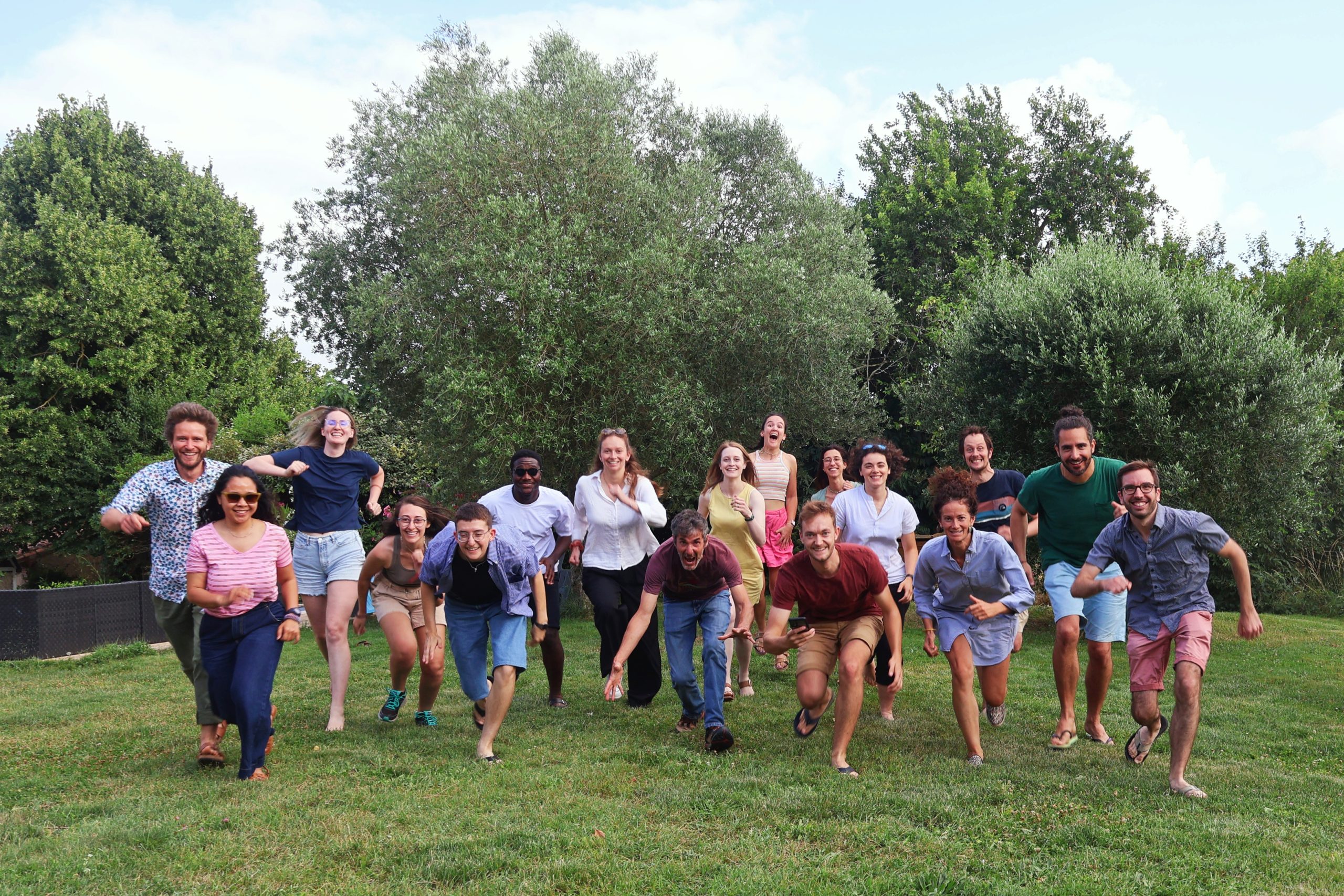
Chercheurs Permanents
- Fabien CORBIERE (Professeur en médecine et santé des ruminants)
- Mattias DELPONT (Chercheur et clinicien en biosécurité et santé aviaires)
- Lisa FOURTUNE (Ingénieure d’études)
- Claire GUINAT (Chercheuse en épidémiologie spatiale et moléculaire des infections animales)
- Mathilde PAUL (Professeur en épidémiologie et en médecine des populations aviaires)
- Timothée VERGNE (Maître de conférences en santé publique vétérinaire)
Post-docs
- Sébastien LAMBERT (Modelling infectious disease transmission in livestock to provide policy support)
- Brandon HAYES (Informing avian influenza biosecurity policy through mathematical modelling)
- Rebecca HIBARD (Utilisation d’outils de surveillance pour améliorer la gestion des antimicrobiens dans la production avicole)
- Clara DELECROIX (Modelling approaches to optimize surveillance and intervention strategies to manage infectious diseases of livestock)
- Sara ZUFAN (Phylodynamics of avian influenza viruses in live bird market networks in Cambodia)
Doctorants
- Philippe BRAUNEISEN (Diversité des systèmes d’élevages avicoles français comme moteur des dispositifs de gestion de l’influenza aviaire hautement pathogène) (2024-2027)
- Manon COUTY (Phylodynamique de l’influenza aviaire hautement pathogène chez les oiseaux sauvages en France) (2023-2026)
- Diletta FORNASIERO (Phylodynamique de l’influenza aviaire hautement pathogène chez les volailles en Italie) (2024-2027)
- Ina LI (Phylodynamics of avian influenza viruses in poultry-vaccinated contexts) (2024-2027)
- Bastien MALINGE (Surveillance des virus de l’influenza aviaire sur les marchés d’oiseaux vivants au Cambodge) (2024-2027)
- Sarah PLETTS (Impact of poultry vaccination strategies against highly pathogenic avian influenza) (2024-2027)
5 publications principales
Bauzile, B., Durand, B., Lambert, S., Rautureau, S., Fourtune, L., Guinat, C., Andronico, A., Cauchemez, S., Paul, M. C., & Vergne, T. (2023). Impact of palmiped farm density on the resilience of the poultry sector to highly pathogenic avian influenza H5N8 in France. Veterinary research.
Hibbard, R., Chapot, L., Yusuf, H., Ariyanto K.B., Maulana, K.Y., Febriyani, W., Cameron, A., Vergne, T., Faverjon, C., Paul, M.C. (2023) “It’s a habit. They’ve been doing it for decades and they feel good and safe.”: A qualitative study of barriers and opportunities to changin antimicrobial use in the Indonesian poultry sector. PLoS ONE.
Corbiere, F., Guellouz, D., Tasca, C., Foures, L., Dubaux, E., & Foucras, G. (2023). Effects of Silirum®-Based Vaccination Programs on Map Fecal Shedding and Serological Response in Seven French Dairy Herds. Animals.
Guinat C., Vergne T., Kocher A., Chakraborty D., Paul M.C., Ducatez M., Städler T. (2021) What can phylodynamics bring to animal health research? Trends in Ecology and Evolution.
Delpont M., Guinat C., Guérin J.L., Le leu E., Vaillancourt J.P., Paul M.C. (2021) Biosecurity measures in French poultry farms are associated with farm type and location. Preventive Veterinary Medicine.