Immunology and Alternative to Antibiotics
Research themes
The IALTA team focuses its work on gaining a deeper understanding of the mechanisms of ruminant immunity against infections. It develops innovative approaches aimed at enhancing the resilience of ruminants (cattle, sheep, and goats) by strengthening their immunity in contexts where animals are exposed to common pathogens that cause diseases detrimental to herd health and productivity.
The research is based on original strategies for strengthening physical barriers with the internal environment, particularly the mammary and respiratory systems, and for activating innate and adaptive immunity. This work primarily targets the most prevalent diseases in livestock farms, whether of viral or bacterial etiology.
The team’s overall objective is to improve herd resilience by controlling infectious diseases whether enzootic or emerging, through a deeper understanding of infectious mechanisms and the associated immune responses. The issues addressed by IALTA are fully aligned with the current and future challenges facing the livestock sector: sustainability of livestock farming, adaptation to climate change, reduction in antibiotic use, and prevention of epizootic diseases.
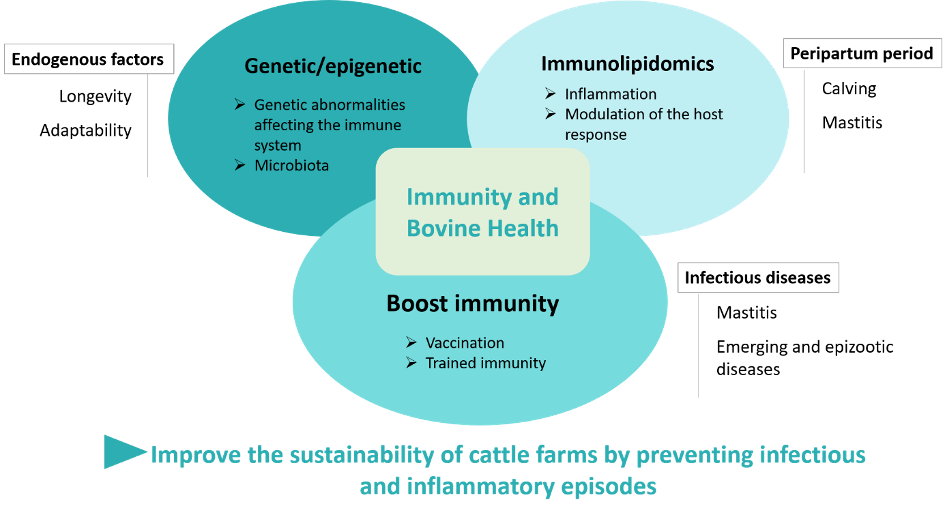
Particular emphasis is placed on increasing the animals’ resistance and resilience to infections and inflammatory processes, especially during the peripartum period, a critical time of vulnerability for dairy cows.
The team’s scientific research focuses on three major areas:
- Study of the variability of immune responses in relation to genetics and the living environment of ruminants
- Strengthening immunity:
- Vaccinology applied to emerging diseases and epizootics, to anticipate and counter new health risks.
- Immune training as an alternative to antibiotic therapy, to strengthen immune defenses and reduce the incidence of enzootic infections, such as mastitis.
- Immunolipidomics, aimed at characterizing inflammatory and immune mechanisms, and identifying biomarkers for diagnostic and preventive purposes.
Through this combination of expertise in immunology, pathophysiology, and systems biology, IALTA contributes to the development of sustainable solutions for ruminant health and to the evolution of livestock farming practices toward more resilient and responsible models.
Core expertise
Flow cytometry
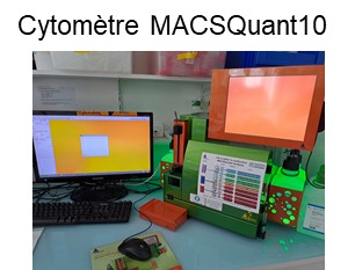
The laboratory is equipped with a MACSQuant10 (Miltenyi) flow cytometer with three excitation lasers (405 nm, 488 nm, and 635 nm) and eight emission channels (V1 450/50, V2 525/50, B1 525/50, B2 585/40, B3 655-730, B4 750LP, R1 655/730, R2 750LP). It is available for unit teams for their analyses.
Contact: Blandine Gaussères blandine.gausseres@envt.fr
Multiplex analysis of cytokines from multiple species
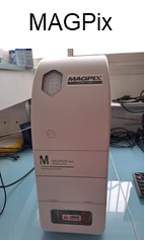
The laboratory has a MAGPix system, which enables the quantification of various analytes using magnetic beads. Up to 50 analytes can be simultaneously detected from 25 µL of sample (serum, plasma, culture supernatant, etc.). Analyses are routinely performed on samples from various veterinary and laboratory species.
Contact: Blandine Gaussères blandine.gausseres@envt.fr
Targeted lipidomics
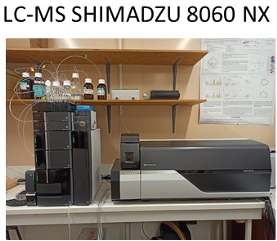
The study of sphingolipids and oxylipins is an innovative approach to investigating inflammation and cell signaling. Their analysis is made possible by a targeted LC-MS/MS approach that allows for the characterization of several hundred analytes.
Contact: Philippe Guerre philippe.guerre@envt.fr and Alix Pierron alix.pierron@envt.fr
In vitro, Ex vivo and In vivo models
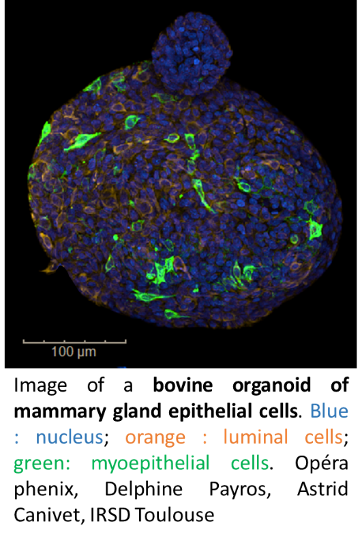
The team has strong expertise in the isolation, characterization, and culture of primary bovine cells derived from blood or tissues, such as the mammary gland, lung, or intestine. To study the role of trained immunity or associated immune responses, murine infection models (mammary, intestinal, pulmonary, sepsis, etc.) with Escherichia coli or Staphylococcus aureus, combined with the invalidation of specific immune genes (CLEC7A, SOCS2), are being developed. In addition, innovative bovine organoid models of the mammary gland and tonsils are available in the team. Tissues from animals with specific immune pathways knocked out (integrins, JAK/STAT, etc.) are stored in a biobank for the future development of primary cell lines or organoids of interest (intestine, mammary gland, lung, skin, bladder, tonsils…).
Contact: Delphine Payros delphine.payros@inrae.fr and Gilles Foucras gilles.foucras@envt.fr
People
Permanent members
- Gilles FOUCRAS (Professor, head of the team, ENVT) ORCID 0000-0002-0363-0337
- Philippe GUERRE (Professor, ENVT) ORCID 0000-0002-9777-3784
- Delphine PAYROS (CRCN, INRAE) ORCID 0000-0003-4820-7986
- Alix PIERRON (Associate Professor, ENVT) ORCID 0000-0001-9510-4790
- Didier TARDIEU (Research engineer, ENVT)
- Blandine GAUSSERES (Research engineer, INRAE) ORCID 0000-0001-7570-4721
- Christian TASCA (Research technician, INRAE)
PhD students, EBVS residents, and technical staff
- Lucie DUTHEIL, Resident (2022 – 2025), PhD student (2023 – 2026), ORCID 0009-0001-9742-4031
- Elodie LASSALETTE, PhD student (CIFRE program with Olmix, 2024 – 2027), ORCID 0009-0000-2986-5057
- Silvia BELVEDERISI, PhD student (European project EUPAW&H CATTLE-AIV, INRAE, 2026 – 2029)
- Justin CARPENTIER, Research technician (ANR project FlashPox ClearLSD, 2026 – 2027)
5 main publications
Goetz C, Payros D, Knudsen C, Grundy MM, Lacroix-Lamandé S, Lalmanach AC, Wiedemann A, Piriou-Guzylack L, Archer F, Descamps D, Finot L, Beaumont M. Review: In vitro and ex vivo models advancing the study of host-microbiota interactions across organ systems in farm animals. Animal. 2026 Mar 24:101810. doi: 10.1016/j.animal.2026.101810.
Lassallette E, Baysse AP, Gausseres B, Foucras G, Guerre P. Targeted analysis of sphingolipids and cytokines in plasma of dairy cows after calving reveals distinct impacts of systemic inflammation, ketosis, and mastitis. J Anim Sci Biotechnol. 2026 Jan 12;17(1):6. doi: 10.1186/s40104-025-01325-3.
Dutheil L, Gausseres B,Besnard F, Guzylack-Piriou L, Abou Monsef Y, Gaide N, Arnalot L, Corbiere F, Gaborit M, Launay F, Poujade A, Capitan A, Foucras G. Bovine Lymphocyte Intestinal Retention Defect (BLIRD): a novel recessive immunogenetic disorder in Holstein cattle. Vet Q. 2025;45(1):2566997.
Lesueur J, Walachowski S, Barbey S, Cebron N, Lefebvre R, Launay F, Boichard D, Germon P, Corbiere F and Foucras G. Standardized whole blood assay and bead-based cytokine profiling reveal commonalities and diversity of the response to bacteria and TLR ligands in cattle. Front Immunol 2022;13:871780.
Walachowski S, Breyne K, Secher T, Cougoule C, Guzylack-Piriou L, Meyer E, Foucras G, Tabouret G.Oral supplementation with yeast β-glucans improves the resolution of Escherichia coli-associated inflammatory responses independently of monocyte/macrophage immune training. Front Immunol. 2022 Dec 20;13:1086413. doi:10.3389/fimmu.2022.1086413