Epidemiology and Decision-making in animal health
Full Epidesa website (with current and past research projects) available HERE.
Research themes
Epidesa is a research group dedicated to the improvement of livestock and farmers well-being with the ultimate goal of ensuring more sustainable and safer livestock production. They use innovative analytical tools to address modern challenges of epidemiology and decision-making in animal health, in order to improve livestock disease management strategies.

Members
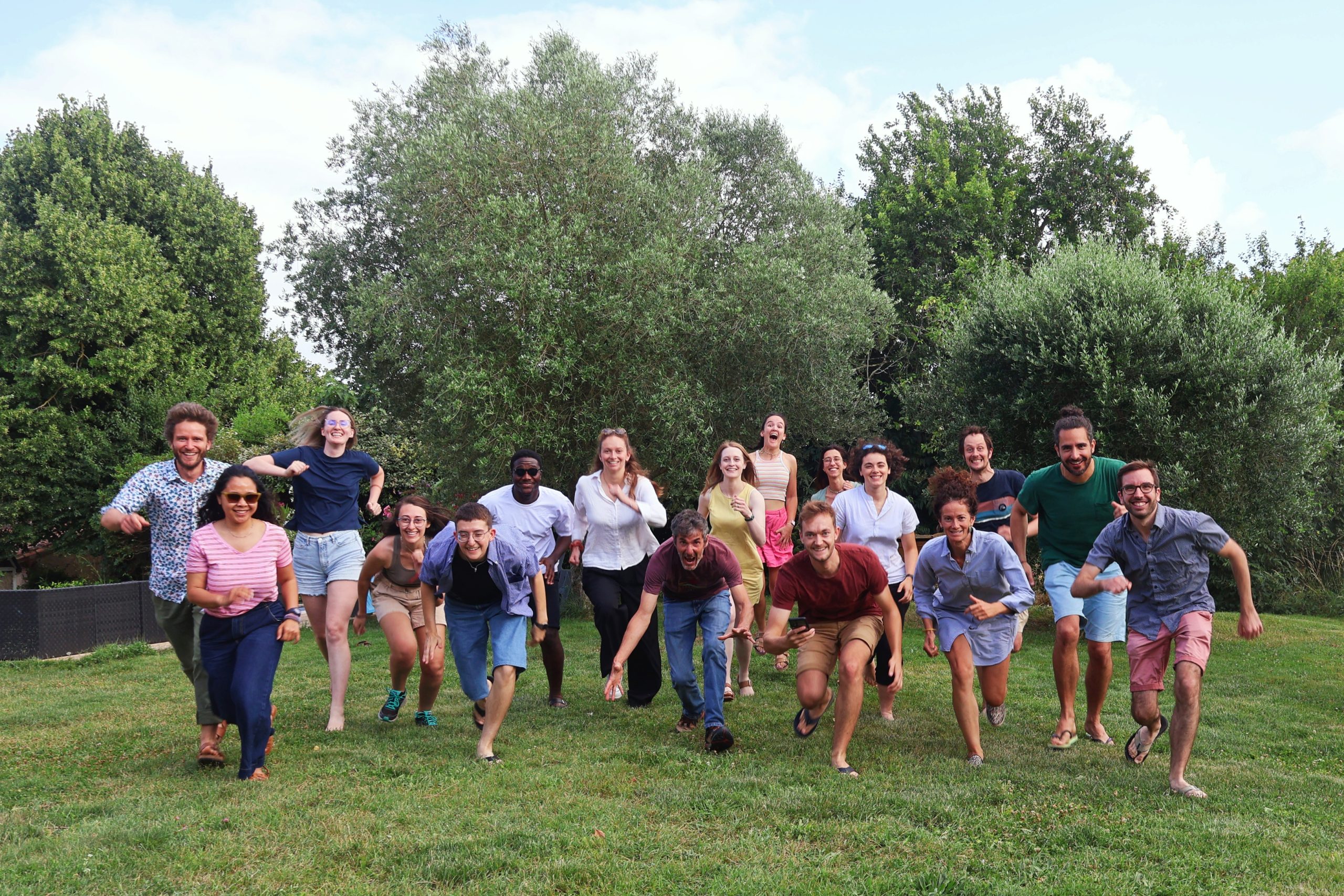
Permanent Researchers
- Fabien CORBIERE (Professor in Ruminant Medicine and Health Management)
- Mattias DELPONT (Researcher and clinician in poultry biosecurity and health management)
- Lisa FOURTUNE (Data scientist)
- Claire GUINAT (Researcher in spatial and molecular epidemiology of animal infectious diseases)
- Mathilde PAUL (Professor in Epidemiology and Avian Population Medicine)
- Timothée VERGNE (Associate professor in Veterinary Public Health)
Post-docs
- Sébastien LAMBERT (Modelling infectious disease transmission in livestock to provide policy support)
- Brandon HAYES (Informing avian influenza biosecurity policy through mathematical modelling)
- Rebecca HIBARD (Use of surveillance tools for improved antimicrobial stewardship in poultry production)
- Clara DELECROIX (Modelling approaches to optimize surveillance and intervention strategies to manage infectious diseases of livestock)
- Sara ZUFAN (Phylodynamics of avian influenza viruses in live bird market networks in Cambodia)
PhD student
- Philippe BRAUNEISEN (The diversity of French poultry production as a tool for HPAI management) (2024-2027)
- Manon COUTY (Phylodynamique de l’influenza aviaire hautement pathogène chez les oiseaux sauvages en France) (2023-2026)
- Diletta FORNASIERO (Phylodynamique de l’influenza aviaire hautement pathogène chez les volailles en Italie) (2024-2027)
- Ina LI (Phylodynamics of avian influenza viruses in poultry-vaccinated contexts) (2024-2027)
- Bastien MALINGE (Surveillance of avian influenza viruses in live bird markets in Cambodia) (2024-2027)
- Sarah PLETTS (Impact of poultry vaccination strategies against highly pathogenic avian influenza) (2024-2027)
5 selected publications
Bauzile, B., Durand, B., Lambert, S., Rautureau, S., Fourtune, L., Guinat, C., Andronico, A., Cauchemez, S., Paul, M. C., & Vergne, T. (2023). Impact of palmiped farm density on the resilience of the poultry sector to highly pathogenic avian influenza H5N8 in France. Veterinary research.
Hibbard, R., Chapot, L., Yusuf, H., Ariyanto K.B., Maulana, K.Y., Febriyani, W., Cameron, A., Vergne, T., Faverjon, C., Paul, M.C. (2023) “It’s a habit. They’ve been doing it for decades and they feel good and safe.”: A qualitative study of barriers and opportunities to changin antimicrobial use in the Indonesian poultry sector. PLoS ONE.
Corbiere, F., Guellouz, D., Tasca, C., Foures, L., Dubaux, E., & Foucras, G. (2023). Effects of Silirum®-Based Vaccination Programs on Map Fecal Shedding and Serological Response in Seven French Dairy Herds. Animals.
Guinat C., Vergne T., Kocher A., Chakraborty D., Paul M.C., Ducatez M., Städler T. (2021) What can phylodynamics bring to animal health research? Trends in Ecology and Evolution.
Delpont M., Guinat C., Guérin J.L., Le leu E., Vaillancourt J.P., Paul M.C. (2021) Biosecurity measures in French poultry farms are associated with farm type and location. Preventive Veterinary Medicine.